Mantra BioNIC FP6 Terminal: A Practical Buying Guide for India
BioNIC FP6 pairs 10K face plus fingerprint capacity, edge-AI liveness and door-control outputs for mid-size sites. Mode logic and wiring checklist.
Quick answer
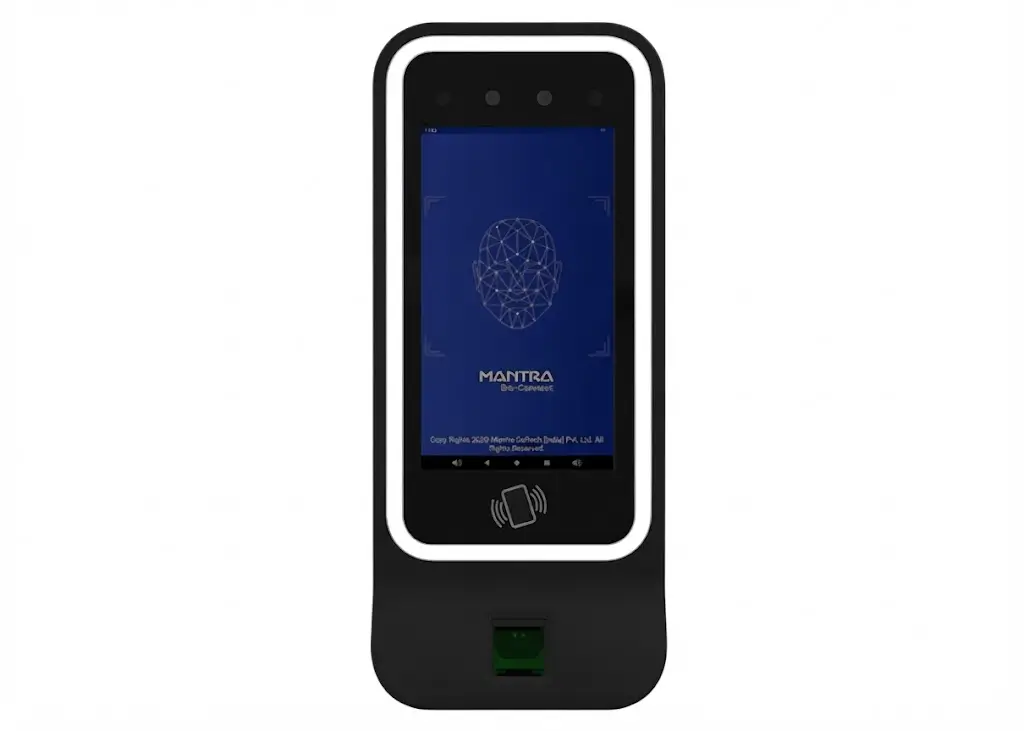
the BioNIC FP6 pairs dual RGB plus NIR 2MP WDR cameras with AI liveness, an optical fingerprint sensor, a 1.2 TFLOPS NPU on dual-core ARM, 10,000 face plus 10,000 fingerprint capacity with 500,000 logs, a 5-inch 720 by 1280 touch screen, Linux kernel 4.19, sub-500 ms recognition, and Ethernet plus Wi-Fi with RS485, Wiegand and relay outputs. MegaMind supplies, installs and supports it pan-India with AMC.

Key takeaways
- BioNIC FP6 pairs 10K face plus fingerprint capacity, edge-AI liveness and door-control outputs for mid-size sites. Mode logic and wiring checklist.
- Why Mid-Size Sites Fail at the Mode Step
- What the BioNIC FP6 Actually Is
- Four Questions to Answer Before You Buy
- How One Shift Day Runs on It
The Mantra BioNIC FP6 is a multi-modal face plus fingerprint terminal for mid-size sites in India: edge-AI liveness with 10K face plus 10K fingerprint capacity and door-control outputs. A factory in Manesar watches two shift waves punch through a single wall unit that recognises faces, falls back to fingers, and clicks the turnstile relay open.
That gap between a device that authenticates and one that runs a mid-size site is exactly what this guide tests. The Mantra BioNIC FP6 suits factories, schools and retail chains where helmets, oil and masks defeat single-mode readers. This guide explains mode logic, who must buy multi-modal, how shift day runs, and the mistakes that waste the spend.
Why Mid-Size Sites Fail at the Mode Step
Ask any admin who has managed single-mode terminals and you hear the same story. Face-only units stalled on helmeted workers, fingerprint-only units stalled on oily thumbs, and the entry split into two queues with two registers. The site took the blame for a modality failure.
Mode failure is about fallback, not sensors. Four gates decide multi-modal success: fast primary mode for the majority, instant fallback for exceptions, on-device matching that survives network drops, and door outputs that turn identity into entry. This guide follows that order, with the FP6's verified numbers written down.
What the BioNIC FP6 Actually Is
Strip the brochure and you get a wall computer for entries: dual cameras recognise faces in under half a second through the NPU, the fingerprint sensor verifies exceptions one-to-one, Linux holds 10K users plus 500K logs locally, and relay plus Wiegand outputs drive doors while Ethernet reports to payroll. Staff punch how they can while the terminal decides how to match.
Capacity is the procurement gate. Ten thousand faces plus ten thousand fingerprints with half a million logs covers mid-size enterprises, factories, schools and retail chains with growth headroom. The Mantra brand page carries the positioning, the multi-biometric range shows larger siblings, and the official Mantra site lists the current lineup and support downloads. Everything below tests those claims against real shifts.
Four Questions to Answer Before You Buy
- What share wears helmets or masks: face-first needs fingerprint fallback where coverings dominate?
- What headcount plus growth: 10K capacity covers mid-size, but flagships suit tens of thousands?
- What doors must open: relay plus Wiegand outputs must match your strikes and controllers?
- What networks reach entries: Ethernet anchors, Wi-Fi bridges, and offline matching covers drops?
The Parts That Decide the Purchase
The Mantra BioNIC FP6 earns its wall space through four working parts: edge-AI face matching, fingerprint fallback, 10K capacity with logs, and door-control outputs. Each one below carries a verified number plus a shift habit that protects it.
1. Dual Cameras With AI Liveness on NPU
Dual RGB plus NIR 2MP WDR cameras feed a 1.2 TFLOPS NPU that matches faces one-to-many on-device in under 500 ms, with AI liveness rejecting printed photos and phone screens. Edge processing keeps queues moving when networks drop.
Liveness needs demo proof. Challenge every trial with photos plus screens and write anti-spoofing into acceptance, because spec sheets never stop spoofs. For face-led AEBAS gates, the MBAS50 guide covers the sibling option.
2. Fingerprint Fallback for Exceptions
The optical fingerprint sensor verifies helmeted, masked and poor-light exceptions one-to-one while faces handle the majority. Two modes on one terminal beat two queues on two devices.
Enrolment discipline decides exceptions. Register both face and finger for every worker on day one, because fallback only works when data exists. Sites that enrol faces alone rediscover queues at first helmet delivery.
3. 10K Capacity With 500K Local Logs
Ten thousand faces plus ten thousand fingerprints with 500,000 transaction logs hold mid-size workforces plus visitors plus growth without server dependence. Linux kernel 4.19 keeps the stack stable and secure across years.
Capacity planning follows growth curves. Sites at 6,000 staff with 20 percent annual growth cross single-terminal comfort within three years, so plan second terminals early. For dual card-plus-fingerprint desks, the V7 guide covers the desk sibling.
4. Door Outputs That Turn Identity Into Entry
Wiegand, RS485 and relay outputs drive strikes, magnets and existing controllers directly, while Ethernet plus Wi-Fi reports attendance to payroll. One terminal closes the loop from face to open door.
Wiring surveys decide installation cost. Confirm strike voltages, existing controller protocols and cable runs before ordering, because retrofit surprises dwarf device prices. Pair terminals with attendance software for shift-ready reporting.
How One Shift Day Runs on It
Morning starts with a walk-up test: face the terminal, watch sub-second green, touch the fallback finger once. Entries that skip this discover overnight network changes at shift surge instead.
Through shift change, faces flow at walking pace while exceptions step aside to fingers without blocking lanes. Supervisors watch helmet plus mask combinations for re-enrolment needs, and door relays click open per policy. At shift end, logs sync, exceptions reconcile against rosters, and the night shift inherits clean entries.
Weekly, clean camera lenses plus fingerprint platens because factory dust films both. Monthly, compare match rates across entries: one entry lagging points to lighting or dirt, while all entries lagging points to database or server changes.
Who Gains the Most From It
Factories and Shift Plants
Two waves daily against the clock need walking-pace face matching with finger fallback for oily thumbs. Sub-500 ms recognition plus relay doors fit roster-driven gates. For queue planning alongside, see how to choose an attendance machine.
Schools, Hostels and Healthcare
Students, hostellers and hospital staff mix clean and covered faces across long days. Dual modes adapt without splitting queues. For slim capacitive embeds, the MARC11 guide covers the module sibling.
Retail Chains and Government Offices
Multi-location staff check-in plus office attendance needs standardised terminals with central reporting. Ethernet plus Wi-Fi covers malls and offices alike. For enrolment-grade capture, the MFS500 guide covers the desk sibling.
BioNIC FP6 Against the Alternatives
| Option | What you get | Where it falls short | Best fit |
|---|---|---|---|
| BioNIC FP6 terminal | Face plus finger, 10K capacity, door outputs | Mid-size ceiling, needs wiring survey | Factories, schools, retail, offices |
| Face-only terminal | Fast face flow, simple UX | Stalls on helmets, no fallback | Clean-face lobbies |
| Fingerprint-only terminal | Proven, cheap, payroll links | Fails on dirty hands, slower waves | Small clean-hand offices |
| Flagship multi-modal | 30K capacity, more cameras | Higher price, overkill mid-size | Campuses, townships, PSUs |
Buy the Mantra BioNIC FP6 where mid-size entries need both modes plus doors on one terminal. Stay single-mode where workforces stay uniform, and flagship where headcount crosses tens of thousands. I would not guard a 500-worker shift gate with fingerprint-only readers, because oily thumbs will queue out the gate by week two.
BioNIC FP6 Price in India
Pricing is quote-based and moves with stock, warranty terms and quantity. Three numbers decide the real cost: terminal price with sealed-box warranty, wiring plus door hardware per entry, and software licences for attendance plus access.
Multi-modal replaces two terminals with one. Entries that price face plus fingerprint devices separately discover the FP6 costs less than the pair while logging both modes together. Confirm strike compatibility plus software scope in writing before comparing quotes.
How Long One FP6 Serves an Entry
Entry life is dual enrolment plus dust control, not years on a sticker. A factory gate crosses six hundred face-plus-finger events daily, which means both-modes enrolment decides exception flow while weekly lens plus platen cleaning decides match rates. Entries that enrol twice and wipe weekly run for years.
Plan maintenance around two surfaces: camera lenses plus fingerprint platens cleaned on the same roster. One combined cleaning round beats two separate failure seasons every time.
Deployment in Seven Steps
- Confirm headcount plus growth against 10K capacity, then decide terminal count per entry.
- Survey entries for lighting, mounting height and strike plus controller compatibility.
- Enrol every worker with both face and finger on day one, helmets tested where worn.
- Challenge liveness with photos plus screens and write anti-spoofing into acceptance.
- Wire relays with indoor manual overrides so power failures trap nobody.
- Run parallel attendance with old registers for one week, reconciling daily.
- Audit lenses plus platens weekly and match rates monthly, because dust compounds quietly.
Mistakes That Waste the Spend
Enrolling one mode. Helmets arrive on Mondays. Dual enrolment keeps exceptions flowing instead of queuing.
Skipping liveness tests. Printed photos fool unchecked cameras. Test spoofing before deployment, not after incidents.
Sizing for averages. Shift waves arrive together. Size for the ten-minute surge or queue onto roads.
Ignoring wiring surveys. Strike mismatches stall installations for weeks. Survey volts plus protocols before ordering. Book a site survey for multi-entry rollouts, let the installation team wire plus configure terminals, and keep AMC cover for year-two continuity.
How Many Terminals One Site Needs
Throughput is entries times shift waves, not headcount. One entry lane with three hundred workers in fifteen minutes needs one Mantra BioNIC FP6 terminal, while three lanes need three. A factory with two gates plus a canteen entry fields three terminals with one spare for failures and enrolment overflow.
Run the maths for shift peaks plus overtime weeks, not quiet afternoons. Sites sized for averages stall when both shifts overlap at changeover. Spares keep entries matching when terminals need service.
How to Read the Quotation
Compare quotes on the full stack: sealed FP6 terminals with serials, wiring plus door hardware per entry, enrolment support for both modes, software licences for attendance plus access, network compatibility confirmation, manufacturer warranty terms, dispatch timelines, and AMC from year two. Multi-entry rollouts need per-entry scope, not lump sums.
Ask for a live shift-change trial on your own workers with helmets before the order, then request a quote through Get a Quote with entry count, headcount and software names written down.
Bottom Line
Mid-size success rests on four legs: fast face matching, reliable finger fallback, honest capacity planning and wired door control. The Mantra BioNIC FP6 brings proven multi-modal hardware for all four at factories, schools and offices across India, but only enrolment discipline makes them stand together. Enrol both modes, test liveness, survey wiring, and buy sealed.
Tell us your entry count, headcount and software names for a terminal plus wiring quote from verified specs. The BioNIC FP6 product page carries the full specification to share with your admin committee.
Want the short version of every guide like this?
Get practical buying tips, product comparisons and security advice — plus a free consultation when you're ready to compare options.
Related Products — Mantra BioNIC FP6 Terminal: A Practical Buying Guide for India
BioNIC FP6
Mantra BioNIC FP6 — multi-modal fingerprint + face detection attendance terminal with dual RGB+IR camera, 1.2T FLOPS NPU, 10K face and fingerprint capacity for mid-size deployments.
- Face Capacity10,000
- Fingerprint Capacity10,000
- Log Capacity500,000
- AuthFaceFingerprint
- Wi-Fi · LAN · TCP/IP · Wiegand

BioNIC V7
Mantra BioNIC V7 — fingerprint and smart-card reader with 500 DPI optical sensor, ISO 19794-2/4 templates, STQC L1 certification and MIFARE DESFire support for enterprise access control.
- AuthFingerprintCard
- USB