Mantra Xtreme XI Terminal: A Practical Buying Guide for India
Xtreme XI pairs 50K face plus 100K fingerprint capacity, 5 TOPS NPU and IP65 build for flagship access. Four-factor logic and integration checklist.
Quick answer
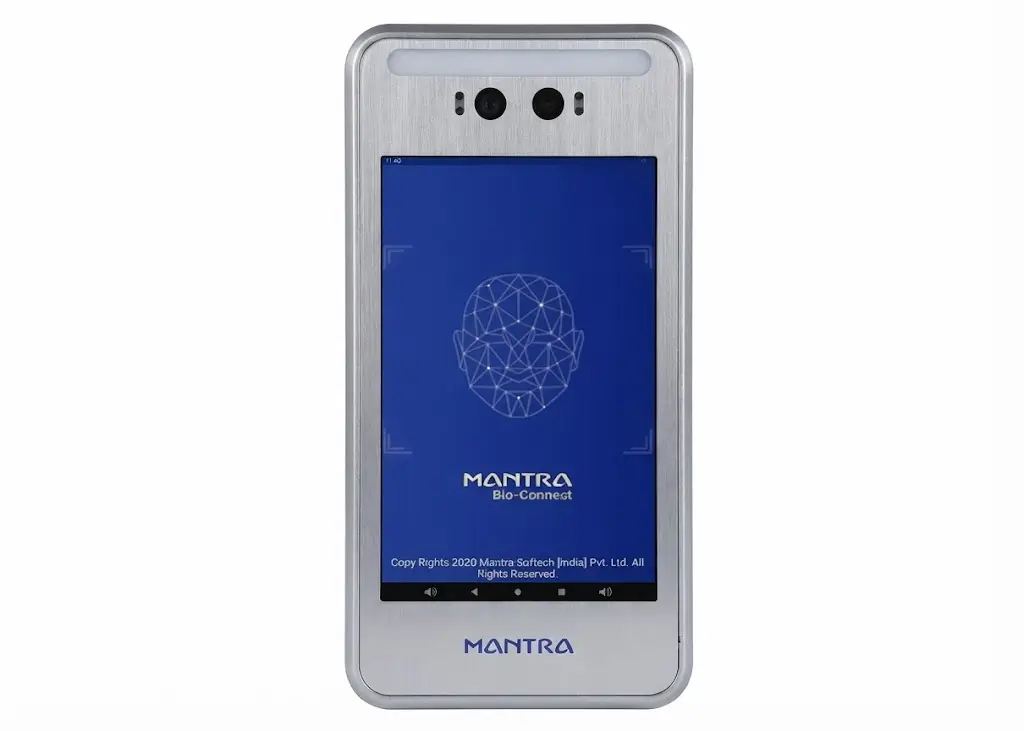
the Xtreme XI pairs face plus fingerprint plus card plus PIN in one IP65 unit with a 2.2 GHz quad-core ARM plus 5 TOPS NPU, 50,000 faces plus 100,000 fingerprint templates plus 1M logs, dual RGB plus NIR 2MP 30fps 100dB HDR cameras with liveness, a 5-inch Full HD IPS touch screen, sub-300 ms recognition, minus 10 to plus 55 degree operation, and dual Wiegand plus RS232 plus RS485 plus HDMI plus dual relays plus supervised I/O.

Key takeaways
- Xtreme XI pairs 50K face plus 100K fingerprint capacity, 5 TOPS NPU and IP65 build for flagship access. Four-factor logic and integration checklist.
- Why Critical Doors Fail at the Proof Step
- What the Xtreme XI Actually Is
- Four Questions to Answer Before You Buy
- How One Secure Day Runs on It
The Mantra Xtreme XI is a flagship multi-modal access terminal for audit-grade doors in India: face plus fingerprint plus card plus PIN in one IP65 unit with 5 TOPS edge AI and 50K face capacity. A bank's server room in Mumbai logs face plus card plus PIN on every entry, and the audit that once took a week closes in a day.
That gap between a lock that closes and a terminal that proves is exactly what this guide tests. The Mantra Xtreme XI suits data centres, server rooms and restricted zones where auditors ask who entered and when. This guide explains four-factor logic, who must buy flagship, how secure day runs, and the mistakes that waste the spend.
Why Critical Doors Fail at the Proof Step
Ask any auditor who has qualified an access report and you hear the same story. Logs showed card taps, but nobody could prove whose hand held the card, and camera footage lived on a different system with different timestamps. The door took the blame for an evidence failure.
Proof failure is about binding factors to time, not lock strength. Four gates decide audit-grade access: multiple factors bound to one event, liveness that defeats spoofs, capacity that holds leavers plus visitors plus growth, and outputs that integrate locks plus alarms plus controllers. This guide follows that order, with the XI's verified numbers written down.
What the Xtreme XI Actually Is
Strip the brochure and you get a door computer for proof: dual cameras match faces across 50,000 users in under 300 ms, the fingerprint sensor verifies exceptions FBI-grade, card plus PIN cover visitors plus duress, and every event with timestamp drives relays while reporting upstairs. Guards watch one screen while the terminal binds evidence together.
Flagship capacity is the enterprise gate. Fifty thousand faces plus a hundred thousand templates plus a million logs hold campuses, townships and multi-tenant towers with leaver history intact. The Mantra brand page carries the positioning, the terminals range shows the series, and the official Mantra site lists the current lineup and support downloads. Everything below tests those claims against real doors.
Four Questions to Answer Before You Buy
- What must each door prove: audit-grade four-factor, shift-grade face, or basic card with biometric backup?
- What headcount plus leavers plus visitors: 50K faces covers flagships, but FP6 suits mid-size?
- What environment hits the door: rain splash, basement dust, or server-room chill within minus 10 to plus 55?
- What must integrate: existing controllers, electric locks, or fire alarms through relays plus supervised I/O?
The Parts That Decide the Purchase
The Mantra Xtreme XI earns its flagship price through four working parts: 5 TOPS edge AI, four-factor binding, IP65 harsh-environment build, and integrator-grade outputs. Each one below carries a verified number plus a security habit that protects it.
1. 5 TOPS NPU With Sub-300 ms Matching
A 2.2 GHz quad-core ARM plus 5 TOPS NPU matches faces one-to-many across 50,000 users in under 300 ms on-device, so shift waves flow without server round-trips. Dual RGB plus NIR 2MP cameras at 30fps with 100 dB HDR hold accuracy from dim basements to bright lobbies.
Speed compounds at scale. A thousand-person shift change saves minutes when each match finishes in a blink, and on-device matching keeps doors opening through network outages. For mid-size face plus finger entries, the FP6 guide covers the sibling option.
2. Face Plus Finger Plus Card Plus PIN Binding
Four factors bind to one event: face for speed, fingerprint for exceptions, card for visitors plus contractors, PIN for duress plus fallback. High-risk doors demand two factors while standard doors run face alone.
Per-door policy decides security. Configure server rooms for face plus card, warehouses for face alone, and exits for free egress with entry logging. One rule everywhere either slows mornings or weakens nights. For dual desk readers, the V7 guide covers the desk sibling.
3. IP65 Build From Minus 10 to Plus 55
Dust-tight plus water-jet-proof housing operating from minus 10 to plus 55 degrees survives basement dust, gate rain splash and summer heat where indoor terminals fail. The 5-inch Full HD IPS screen behind toughened glass stays readable across lighting.
Environment surveys decide mounting. Confirm splash angles, dust loads and temperature swings at each door before ordering, because IP65 covers jets, not immersion. Semi-outdoor canopies beat direct exposure for every terminal's lifespan.
4. Outputs That Integrate Everything
Dual Wiegand, RS232, RS485, HDMI, dual relays and supervised I/O connect third-party controllers, electric locks and fire-alarm panels directly. Mask-aware recognition plus stranger detection flag anomalies while standard events flow to access software.
Integration drawings decide project cost. Map every lock voltage, controller protocol and alarm contact before ordering, because retrofit rewiring dwarfs terminal prices. Pair terminals with site planning through a site survey before committing.
How One Secure Day Runs on It
Morning starts with a proof test: face plus card at the server door, watch sub-second green with both factors logged. Doors that skip this discover overnight controller changes at audit week instead.
Through the day, staff flow on faces while visitors register with cards plus PINs, exceptions verify on fingers, and relays click per door policy. Supervisors watch stranger-detection flags, fire panels stay interlocked through supervised I/O, and every event carries timestamps. At night, logs reconcile against rosters while leaver credentials auto-expire per policy.
Weekly, clean camera windows plus fingerprint sensors because dock dust films both. Monthly, audit factor logs per door: single-factor entries at two-factor doors point to policy drift, while rising stranger flags point to lighting or camera shifts.
Who Gains the Most From It
Data Centres and Server Rooms
Audit-grade proof with four factors plus fire integration fits compliance regimes where logs decide certifications. Sub-300 ms matching keeps engineers moving between racks. For queue planning alongside, see how to choose an attendance machine.
Factories, Warehouses and Docks
Harsh entries with dust plus splash plus shifts need IP65 terminals with relay doors. Faces flow at walking pace while cards cover contractors. For SME face entries, the F6 guide covers the compact sibling.
Government, Defence and Hospitals
Secure facilities, restricted wards and multi-tenant towers need flagship capacity with leaver history. Fifty thousand faces hold campuses while supervised I/O ties alarms together. For AEBAS attendance, the MBAS40 guide covers the terminal sibling.
Xtreme XI Against the Alternatives
| Option | What you get | Where it falls short | Best fit |
|---|---|---|---|
| Xtreme XI flagship | 4 factors, 50K faces, IP65, full outputs | Flagship pricing, needs integration drawings | Data centres, harsh gates, campuses |
| BioNIC FP6 terminal | Face plus finger, 10K each, door outputs | Mid-size ceiling, indoor build | Factories, schools, retail |
| Card plus PIN keypad | Cheap, fast install | No biometric proof, shared codes | Low-risk internal doors |
| Guard plus register | Human judgment, flexible | Costly shifts, no audit trail | Temporary sites only |
Buy the Mantra Xtreme XI where doors must prove identity to auditors across harsh environments. Stay mid-size where headcount fits 10K, and keypad where risk stays low. I would not guard a server room with card taps alone, because audit week will ask whose hand held the card.
Xtreme XI Price in India
Pricing is quote-based and moves with stock, warranty terms and quantity. Three numbers decide the real cost: terminal price with sealed-box warranty, integration plus locks plus wiring per door, and software licences for audit-grade logging.
Flagship terminals pay back in audit hours. Facilities that count failed-audit costs against terminal prices approve faster than those comparing device quotes alone. Confirm door count plus integration scope in writing before comparing quotes.
How Long One Xtreme XI Guards a Door
Door life is per-door policy plus sensor care, not years on a sticker. A data-centre door crosses two hundred proof events daily, which means factor-compliance audits decide security while weekly camera plus sensor cleaning decides match speed. Doors that audit monthly and wipe weekly run for years.
Plan spares around criticality tiers: flagship spares for server rooms on the shelf, mid-size spares for standard doors on call. One critical spare beats one audit qualification every time.
Deployment in Seven Steps
- Classify every door by risk: four-factor, face-led, or card with biometric backup.
- Survey doors for environment, power, lock voltages and controller protocols.
- Enrol staff with face plus finger plus card where policy demands two factors.
- Challenge liveness with photos plus screens and write anti-spoofing into acceptance.
- Wire relays with fire-alarm interlocks plus indoor manual overrides for safety.
- Run parallel logging with old registers for one week, reconciling daily.
- Audit factor compliance monthly and camera plus sensor health weekly.
Mistakes That Waste the Spend
One rule for every door. Server rooms and canteens share nothing. Per-door policy beats global settings every time.
Skipping integration drawings. Lock mismatches stall projects for weeks. Map volts plus protocols before ordering terminals.
Ignoring leaver expiry. Ex-staff credentials open future doors. Auto-expire on exit dates, audit monthly without mercy.
Forgetting fire interlocks. Locked doors during fire kill. Supervised I/O must release on alarm, tested quarterly. Let the installation team wire plus commission doors, and keep AMC cover for year-two continuity.
How Many Terminals One Campus Needs
Throughput is doors times peak arrivals, not headcount. One data-centre door with fifty engineers needs one Mantra Xtreme XI terminal, while a campus with twenty doors needs twenty. A facility with ten critical plus thirty standard doors fields ten flagships plus thirty mid-size units with spares.
Run the maths for shift peaks plus contractor days, not quiet nights. Campuses sized for averages stall when vendors arrive together. Spares keep proof flowing when terminals need service.
How to Read the Quotation
Compare quotes on the full stack: sealed XI terminals with serials, per-door integration plus locks plus wiring, enrolment support for all factors, access software licences, protocol compatibility confirmation, manufacturer warranty terms, dispatch timelines, and AMC from year two. Campus rollouts need per-door scope, not lump sums.
Ask for a live trial on your own harshest door with your own shift staff before the order, then request a quote through Get a Quote with door count, headcount and controller names written down.
Bottom Line
Flagship success rests on four legs: blazing edge-AI matching, bound multi-factor proof, harsh-environment survival and integrator-grade outputs. The Mantra Xtreme XI brings proven flagship hardware for all four at critical doors across India, but only per-door discipline makes them stand together. Classify doors, survey environments, bind factors, and buy sealed.
Tell us your door count, headcount and controller names for a terminal plus integration quote from verified specs. The Xtreme XI product page carries the full specification to share with your security committee.
Want the short version of every guide like this?
Get practical buying tips, product comparisons and security advice — plus a free consultation when you're ready to compare options.
Related Products — Mantra Xtreme XI Terminal: A Practical Buying Guide for India

BioNIC Xtreme XI
Mantra BioNIC Xtreme XI — multi-modal face + fingerprint + card access control terminal with 5 TOPS NPU, 50K user capacity, IP65 and dual-relay door control.
- Face Capacity50,000
- Fingerprint Capacity100,000
- Log Capacity1,000,000
- AuthFaceFingerprintCard+1
- Wi-Fi · LAN · TCP/IP · Wiegand

BioNIC Xtreme XII
Mantra BioNIC Xtreme XII — rugged 10.1-inch multi-biometric terminal with face + fingerprint + iris + RFID, deep learning NPU, 50K face database, IP65 and 4G LTE.
- Face Capacity50,000
- Log Capacity1,000,000
- AuthFaceFingerprintIris+1
- Wi-Fi · LAN · TCP/IP · Wiegand