Sanchar SBWC-03 Body Worn Camera: A Practical Buying Guide for India
SBWC-03 pairs 1440P dual cameras, 4G live streaming, GPS watermarking, IP67 body and 256GB tamper-proof storage. Evidence rules, shift maths and tender checklist.
Quick answer
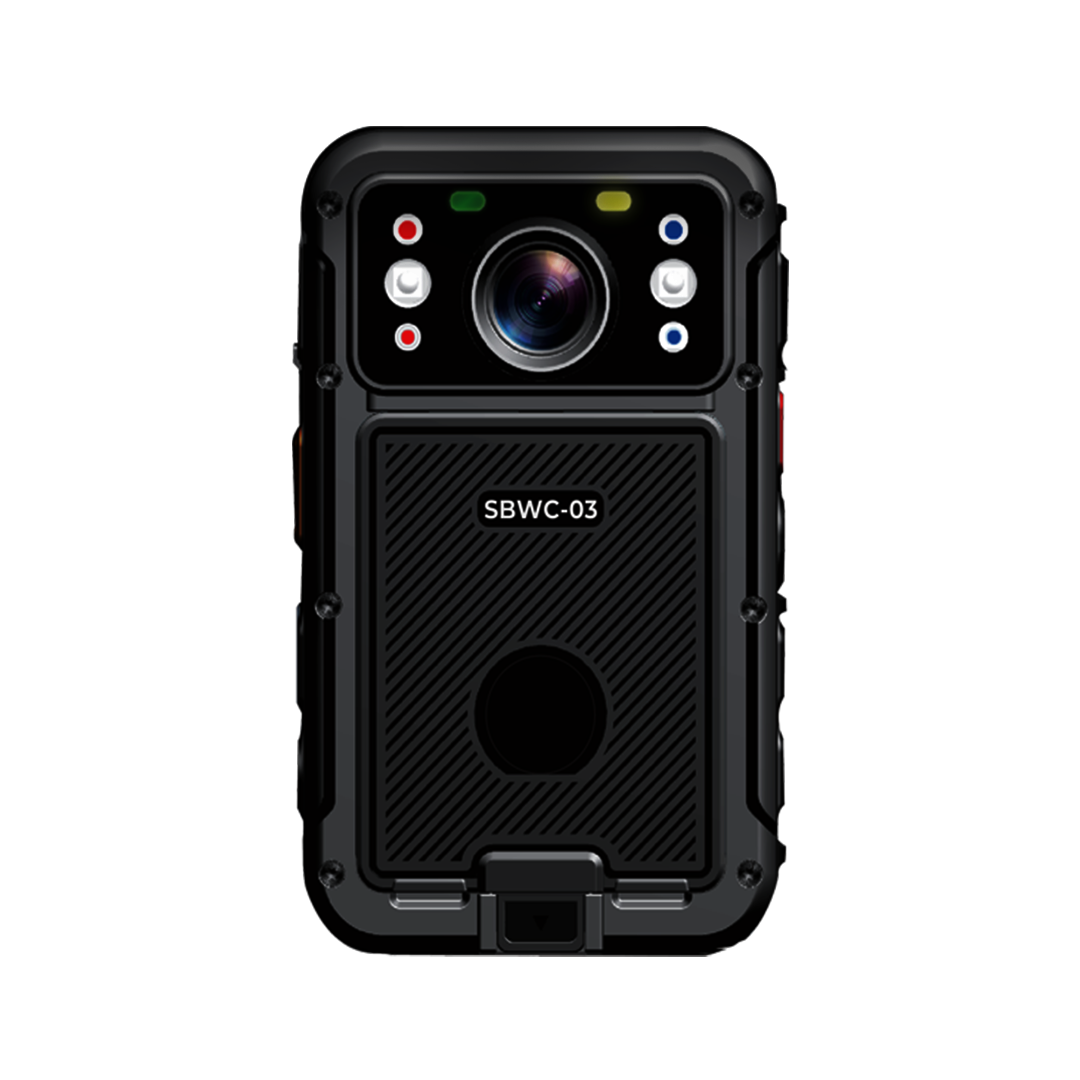
the SBWC-03 pairs dual front plus rear cameras (160-degree view) with 1440P video at 30fps, 83MP photos, H.265 encoding, 4G plus Wi-Fi plus Bluetooth transmission, built-in GPS, a 3.1-inch touch screen, one-touch recording, removable battery and a waterproof plus shockproof body rated up to IP67. MegaMind supplies and supports it pan-India with a 1-year warranty.

Key takeaways
- SBWC-03 pairs 1440P dual cameras, 4G live streaming, GPS watermarking, IP67 body and 256GB tamper-proof storage. Evidence rules, shift maths and tender check…
- Why Bodycam Footage Fails Before the Shift Ends
- What the SBWC-03 Actually Is
- Four Questions to Answer Before You Buy
- How One Shift Runs on It
The Sanchar SBWC-03 answers a question every police line asks: footage that stands up in court when the shift, the signal and the weather all worked against you. A traffic constable records an e-challan stop in rain, and the same clip with GPS stamp plays at the control room before his shift ends.
That gap between a camera that records and evidence that convinces is exactly what this guide tests. The Sanchar SBWC-03 is a 4G Android body worn camera with dual cameras, 1440P video, 83MP photos, live transmission, GPS, Wi-Fi plus Bluetooth, and tamper-resistant storage. This guide explains who it suits, how a shift runs on it, where it earns its chest mount, and the mistakes that kill evidence value.
Why Bodycam Footage Fails Before the Shift Ends
Talk to any station house officer who has lost a case on video and you hear the same story. The camera recorded, but the timestamp was wrong, the GPS was off, the file never reached the server, or nobody could prove it was unedited. The device took the blame for a procedure failure.
That failure is rarely the lens. It is the buying method. Court-ready evidence has four gates and the camera is only the first: capture quality, tamper-proofing, watermarked identity, and a download chain nobody can question. This guide follows that order, with the SBWC-03's verified numbers written down.
What the SBWC-03 Actually Is
Strip the brochure and you get a chest-mounted recorder that thinks like a phone: Android OS, 3.1-inch touch screen for instant playback, one-touch record button you can find with gloves on, dual cameras covering front and rear, and inbuilt 4G plus BT plus GPS plus Wi-Fi modules inside. Behind that sits the actual product: H.265 encoding that halves memory use against H.264, live transmission to command, and storage no field user should be able to wipe casually.
The certifications are the tender gate. NABL, BIS, CE, ROHS and FCC clear government procurement where uncertified cameras die at the technical bid. The Sanchar brand page carries the positioning; the body worn camera range shows the category; the official SBWC-03 page lists key features, accessories and support downloads. Everything below tests those claims against real duty.
Four Questions to Answer Before You Buy
- Does your duty actually need court-ready evidence, or would a dashcam plus register do the same job?
- What carries live video to control: 4G on patrol routes, station Wi-Fi at return, or nothing yet?
- How does footage reach the case file: automatic upload, docked download, or a constable with a cable?
- Who owns retention: a written SOP with days and access list, or everyone's best intentions?
The Parts That Decide the Purchase
1. Dual Cameras, 1440P Video and 83MP Photos
Front plus rear cameras with a 160-degree wide view catch the stop and the surroundings in one clip. Video runs 1440P at 30fps with 1080P and 720P options, photos reach 83MP for number plates and documents. One-touch recording starts both instantly, with crystal-clear audio beside the picture.
Wide angle is honest but not magic. Read plates at distance in the demo, not in the brochure. Night, rain and headlight glare decide more cases than resolution numbers do.
2. 4G Transmission With Built-In GPS
Inbuilt 4G plus BT plus GPS plus Wi-Fi modules carry video and route tracks to the command centre while the constable is still on the spot. Sanchar lists GPS as built-in positioning for live location alongside transmission; treat on-frame watermark claims as demo-verified, not datasheet facts. Wi-Fi and Bluetooth cover station sync and accessories.
Signal is the failure mode. A camera transmitting fine at the thana buffers endlessly in a basement parking lot. Survey patrol routes with the actual operator SIM, and treat live view as a bonus over recorded proof, never the other way round.
3. Sealed Storage and H.265 Encoding
Storage goes up to 256GB on eMMC, and H.265 encoding occupies roughly half the memory of H.264 at the same quality, per Sanchar. Assume tamper-resistant handling and confirm the delete path plus chain-of-custody flow in your trial before claiming court-proofing. What the camera writes should reach the case file untouched.
Capacity planning still matters. 1440P fills cards faster than 1080P, and photos at 83MP are evidence gold but storage heavy. Set default resolution by duty type: traffic stops at full quality, long bandobast at 1080P.
4. Waterproof Body, Removable Battery and Duty Build
The official page lists a waterproof plus shockproof design rated up to IP67 with a removable battery. That covers rain, dust and drops across Indian outdoor duty, and a swappable cell keeps recording alive across long shifts. Confirm night-vision distance, exact battery hours and operating temperature in your trial, since the official page leaves those numbers open.
Rugged does not mean careless. A cracked lens cover from a baton strike still ruins the night's evidence. Issue a lens wipe with every battery swap and inspect mounts weekly.
How One Shift Runs on It
Roll call issues charged cameras with tested SIMs, mounts checked, clocks synced. On duty, one touch starts recording before the interaction, not during it. Live video reaches control where signal allows; everything records locally regardless. GPS stamps every second of it.
At shift end, dock the camera, upload over station Wi-Fi, tag clips to cases, and swap batteries for the next shift. Supervisors review flags the same night.
Who Gains the Most From It
Traffic and State Police
E-challan stops, nakas, highway patrol: video plus GPS plus photo settles disputes on the spot and in court. Mount centre-chest, keep the rear camera unblocked by jackets, and sync clocks to the server daily. For sibling attendance deployments see the SAB3000 Aadhaar guide.
Armed Units, RPF and Metro Security
Long shifts, rough handling, night duty: waterproof build plus removable battery plus one-touch recording cover what phone cameras cannot. Patrol routes need signal surveys first; control rooms need upload bandwidth second.
Courts, Customs and Private Security
Marshals, tax enforcement, VIP protection: tamper-proofing plus watermarking carries weight where testimony wobbles. For choosing attendance hardware alongside, see how to choose an attendance machine.
SBWC-03 Against the Alternatives
| Option | What you get | Where it falls short | Best fit |
|---|---|---|---|
| SBWC-03 bodycam | 1440P dual cameras, 4G plus GPS, 83MP photos, 256GB eMMC | Needs upload SOP, SIM cost, training | Police, RPF, enforcement |
| Phone camera video | Free, familiar, decent quality | Editable, no watermark, battery dies | One-off clips, not evidence |
| Dashcam | Fixed, always on, cheap storage | Sees the road, not the interaction | Vehicles, not foot patrol |
| CCTV network | Fixed coverage, central recording | Covers points, not patrols | Stations, campuses, junctions |
Buy the bodycam when the interaction must prove itself later. Keep the phone for informal clips. I would not sell bodycams to a desk unit that never leaves the office, because chest mounts in drawers buy nothing. When the tender lists NABL plus BIS certification as eligibility, no uncertified camera can substitute no matter how sharp its sample clips look.
Night Duty: Making the Dark Count
Half of enforcement happens after sunset, so night footage decides as many cases as day clips. Train constables to face subjects squarely at close range instead of filming past them, and review one night clip per officer in week one. Confirm the night-vision distance in your trial since Sanchar's page does not publish a metre figure.
Streetlight plus IR washes faces white at very close range. Step back half a pace for identification shots, then move in for documents and plates. A two-second steady hold beats ten seconds of panning every time, and the H.265 encoder rewards still frames with smaller files that upload faster.
## How Many Cameras One Unit Needs ## How Many Cameras One Unit Needs
Throughput is shift coverage, not megapixels. One camera covers one constable per shift; three shifts need three cameras or two with disciplined hot-swap charging. Spares run at 10 percent: a 50-camera force fields 45 daily and holds 5 for failures, leave and court exhibits.
Run the maths for peak deployment, not sanctioned strength. A traffic zone with 30 constables on road needs 30 mounted plus dock capacity for 30 nightly uploads. A station with 10 field staff and 40 desk staff needs 10 cameras, not 50.
Site Setup: Signal, Docks and SOP
You need patrol-route signal maps, a docking wall with charging plus Wi-Fi upload, and a written SOP covering start-stop discipline, retention days and access list. Chest mounts beat shoulder mounts for stable framing; test with winter jackets on.
Book a site survey before ordering so routes, docks and bandwidth are settled, then let the installation team configure servers and train operators. Continuity comes from AMC cover rather than ad-hoc repairs.
Mistakes That Kill Evidence Value
Recording from the middle. The first thirty seconds hold the context courts ask for. Start before the interaction, not during the argument.
No clock sync. A timestamp off by an hour invites the defence to question everything. Sync to the server daily, automatically.
Uploads nobody watches. Footage that sits on cameras for a week is footage that goes missing. Dock nightly, verify uploads, flag gaps the same night.
No retention SOP. Keep days written, access listed, deletions logged. Evidence without a chain of custody is just video.
How to Read the Quotation
Compare quotes on the full stack: camera hardware, dock and charger count, spare batteries, SIM and data plan ownership, server plus software licensing, training for operators and supervisors, 1-year warranty terms, and AMC from year two.
Ask for a week-long field trial with ten cameras before the order: patrol real routes, stream to control, download nightly, present one clip as mock evidence. Then request a quote through Get a Quote with strength, shifts and routes written down.
Bottom Line
Bodycam evidence stands on four legs: capture, sealed storage, location proof and chain of custody. The SBWC-03 brings the hardware for all four in one housing, but only procedure makes them stand together. Confirm the evidence need, survey the signal, write the SOP early, and dock nightly.
Tell us your strength, shifts and patrol routes for a camera plus dock count from verified specs. The SBWC-03 product page carries the full specification to share with your procurement committee.
Want the short version of every guide like this?
Get practical buying tips, product comparisons and security advice — plus a free consultation when you're ready to compare options.
Related Products — Sanchar SBWC-03 Body Worn Camera: A Practical Buying Guide for

Sanchar SBWC-03 4G Body Worn Camera
Sanchar SBWC-03 4G Android body camera with dual cameras, up to 1440P video, 83MP photos, IP67 rugged body, GPS and live streaming for law enforcement.
- Auth
- Standard Connectivity