Sanchar STC-730S PoC Radio: A Practical Buying Guide for India
STC-730S runs push-to-talk over 4G with no WPC licence, group plus private calls, GPS tracking and full-shift battery. Range maths, SIM planning and quotation checklist.
Quick answer
the STC-730S runs PTT group, single and cluster-intercom calls over global 4G-LTE with no WPC licence, a colour LCD with simple UI, shortcut keys, USB Type-C charging and long-lasting battery. Sanchar ships it with adapter, data cable, hand strip, manual and software. MegaMind supplies and supports it pan-India with a 1-year warranty.

Key takeaways
- STC-730S runs push-to-talk over 4G with no WPC licence, group plus private calls, GPS tracking and full-shift battery. Range maths, SIM planning and quotatio…
- Why Radio Fleets Go Silent Before the Battery Dies
- What the STC-730S Actually Is
- Four Questions to Answer Before You Buy
- How One Shift Runs on It
The Sanchar STC-730S answers a question every security manager asks: instant group voice across sites without a licence office, a tower, or a range chart. A warehouse guard in Gurgaon talks to a supervisor in Manesar on one button press, while dispatch watches both dots move on the map.
That gap between radios that need spectrum and voice that rides the mobile network is exactly what this guide tests. The Sanchar STC-730S is a PTT over Cellular handheld with display, group plus single call, cluster intercom, shortcut keys, colour LCD, USB Type-C and global 4G-LTE intercom. This guide explains who it suits, how a shift runs on it, where it beats walkie-talkies, and the mistakes that silence fleets.
Why Radio Fleets Go Silent Before the Battery Dies
Talk to any facility manager who has run a guard force and you hear the same story. The walkie-talkies worked inside one building, died between buildings, needed a licence nobody renewed, and the spare batteries lived in a drawer nobody labelled. The radios took the blame for a coverage failure.
That failure is rarely the handset. It is the buying method. Team voice has three gates and the radio is only the third: first the network that carries it, second the talk-group plan that organises it, third the device that speaks it. This guide follows that order, with the STC-730S's verified numbers written down.
What the STC-730S Actually Is
Strip the brochure and you get a familiar radio shape with PTT button, shortcut keys, colour LCD and USB Type-C, running group plus single calls with cluster intercom over global 4G-LTE. Sanchar's page keeps the rest open: no battery-hour figure, no GPS claim, no temperature rating and no audio spec on this model. Treat those as trial-verified, not datasheet facts.
No WPC licence is the commercial point. Licensed VHF or UHF spectrum costs fees and paperwork every cycle; this radio pays for SIM data instead. The Sanchar brand page carries the positioning; the PoC radio range shows the category; the official STC-730S page lists features, accessories and support downloads. Everything below tests those claims against real sites.
Four Questions to Answer Before You Buy
- Do your teams actually span sites or cities, or would single-site walkie-talkies do the same job for less?
- What carries the voice at each spot: 4G with tested signal, site Wi-Fi, or hopeful thinking?
- How are talk groups organised: by site, by shift, by role, or one noisy channel for everyone?
- Who owns SIMs and charging: named owner with spares, or a drawer of dead batteries?
The Parts That Decide the Purchase
1. PoC Platform With No Licence
Push-to-talk over cellular means the network is the tower you already pay for. Group call, single call and cluster intercom ride global 4G-LTE, so a guard in Noida joins the same channel as a supervisor in Delhi. No spectrum fees, no renewal files, no illegal-frequency risk. Sanchar does not list Wi-Fi on this model page, so plan on cellular and confirm any Wi-Fi need in your trial.
Coverage is the honest limit. Basements, lifts and remote stretches drop calls the same way they drop phone calls. Survey every post with the actual operator SIM, and keep Wi-Fi fill where guards actually stand.
2. Group Discipline and Single Calls
Group call carries the shift, single call carries the sensitive word, cluster intercom carries the supervisor huddle. The colour LCD plus simple UI keeps operation easy, and shortcut keys jump channels without menu diving.
One channel for everyone is the failure mode. Fifty guards on one group hear everything and respond to nothing. Split by site plus role, keep an Intercom group for supervisors, and teach single calls early.
3. Colour LCD, Shortcut Keys and Simple UI
The maker lists a colour LCD for easy operation with a simple plus efficient UI and shortcut-key design. That is the whole usability story on this model: readable screen, fast channel jumps, no training course. Confirm exact display size, caller-ID behaviour and key layout hands-on, since the page publishes no further detail.
4. Battery, USB-C and Box Contents
Sanchar promises long-lasting battery life with USB Type-C charging, and ships a standard adapter, data cable, hand strip, user manual and software in the box. That ends proprietary-dock hunts. Still, get a shift-tested battery figure in your trial since no hour rating is published.
Charging is a rota, not a hope. A radio that starts at 40 percent dies at the night's busiest hour. Dock rows with labelled slots beat a pile of cables, and vehicle chargers cover mobile posts.
How One Shift Runs on It
Duty starts with charged radios, tested talk groups and a radio check on each channel. Guards check in on their site group, supervisors monitor across groups. Single calls handle sensitive words; Intercom handles supervisor huddles.
Once the shift ends, return radios to labelled docks, log faults, and swap SIMs or batteries for nights. Week one tunes the group plan; only week two patterns should reach the roster file.
Who Gains the Most From It
Security Agencies and Guarding
Multi-site guarding is the home ground: one channel per site, one supervisor group across sites, GPS proving presence. Keep earpieces for indoor posts and spare batteries for doubles.
Logistics, Hotels and Construction
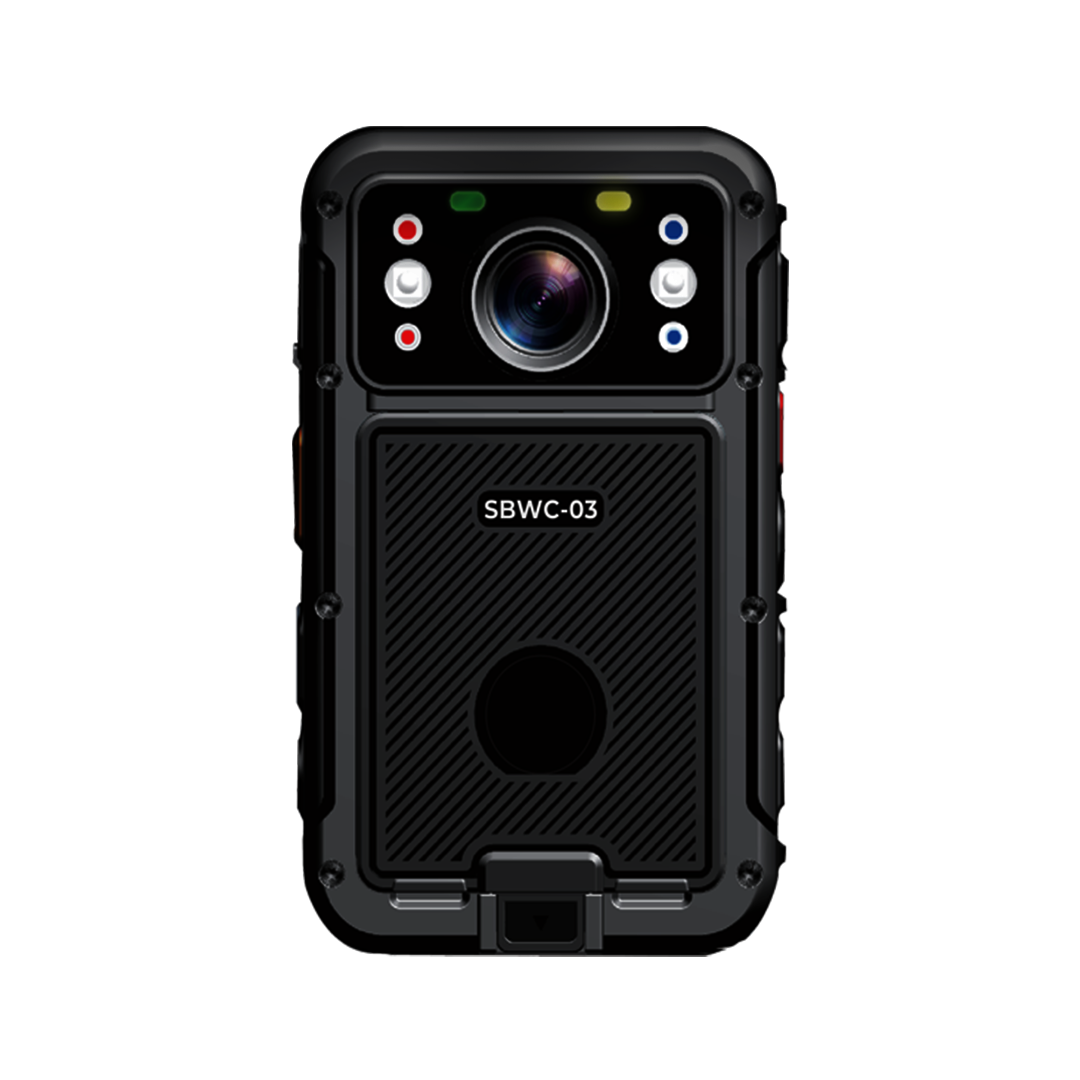
Fleets, docks, lobbies, floors: instant group voice beats phone trees when a truck, a guest or a pour cannot wait. The SBWC-03 bodycam guide pairs evidence with voice for high-value sites. For attendance alongside, see how to choose an attendance machine.
Malls, Factories and Campuses
Big footprints with many teams need role-based groups: housekeeping, security, maintenance, management. Wi-Fi fill covers basements where 4G fades. The PoC category frames the choice against licensed radios.
STC-730S Against the Alternatives
| Option | What you get | Where it falls short | Best fit |
|---|---|---|---|
| STC-730S PoC radio | Global 4G range, no licence, group plus single, USB-C | Needs SIM data, dead zones need survey | Multi-site teams, fleets |
| Licensed VHF/UHF walkie-talkie | No data cost, works off-grid | Licence fees, limited range, towers | Remote sites with no coverage |
| Mobile phone group call | Everyone already has one | Slow setup, no PTT speed, battery drain | Office staff, not field duty |
| No radios, shouting plus phones | Zero capex | Slow, chaotic, unlogged | Tiny single-room teams |
Buy PoC when teams span coverage. Keep licensed sets where no network reaches. I would not sell PoC radios to a single-floor office where everyone hears a shout, because SIM bills buy nothing there. When the tender demands multi-city talk groups without tower capex, no VHF set can substitute no matter how loud its speaker sounds.
Dead Zones: Planning for Silence
Every campus has them: the basement dock, the lift shaft, the far godown corner where both circles fade together. Map them in week one by walking every post with the real SIM and marking signal on the floor plan. Wi-Fi access points then fill exactly those spots instead of blanketing the whole site.
Teach the fallback drill before it is needed: step to the marked green spot, switch to the backup circle, or use the Wi-Fi zone for check-ins. A guard who knows the three nearest signal spots never goes silent, and dispatch learns which posts need scheduled check-ins instead of waiting for calls that cannot come through.
## How Many Radios One Site Needs ## How Many Radios One Site Needs
Throughput is posts, not people. One radio per staffed post per shift, plus 10 percent spares for charging, leave and failures. A 20-post site across two shifts needs 40 in rotation plus 4 spares, not 20 shared handsets passed like batons.
Run the maths for shift change, not headcount. The handover minute needs every outgoing and incoming guard on air at once. Docks scale with radios: one labelled slot per handset, vehicle chargers for mobile posts, one cable standard everywhere.
Site Setup: Coverage, Groups and Docks
You need coverage maps per post, a talk-group chart by site plus role, and a dock wall with labelled slots plus vehicle charging. Program groups before issue day, test every post with the real SIM, and print the channel card for every guard.
Book a site survey before ordering so coverage, groups and docks are settled, then let the installation team program fleets and train supervisors. Continuity comes from AMC cover rather than ad-hoc swaps.
Mistakes That Silence Fleets
One group for fifty guards. Noise drowns signal. Split by site plus role on day one and protect the emergency channel.
No coverage survey. Dead zones discovered on night one become the story of the whole rollout. Walk every post with the real SIM first.
Charger chaos. Three cable types across one fleet guarantees dead radios. Standardise USB-C everywhere and label every slot.
SIMs nobody owns. Expired data plans silence radios silently. One named owner, one renewal calendar, two circles for redundancy.
How to Read the Quotation
Compare quotes on the full stack: radio hardware, spare batteries, chargers and docks, earpieces, SIM plus data plan ownership, talk-group programming, training for guards and supervisors, 1-year warranty terms, and AMC from year two.
Ask for a week-long trial with ten radios before the order: run real shifts, test dead zones, try private calls, check GPS logs. Then request a quote through Get a Quote with posts, shifts and sites written down.
Bottom Line
Team voice stands on three legs: coverage, groups and charging. The STC-730S brings the device for all three, but only planning makes them stand together. Confirm the multi-site need, survey the coverage, chart the groups early, and dock nightly.
Tell us your posts, shifts and sites for a radio plus spare count from verified specs. The STC-730S product page carries the full specification to share with your operations head.
Want the short version of every guide like this?
Get practical buying tips, product comparisons and security advice — plus a free consultation when you're ready to compare options.
Related Products — Sanchar STC-730S PoC Radio: A Practical Buying Guide for India

Sanchar STC-730S 4G PoC Two-Way Radio
Sanchar STC-730S 4G-LTE PoC handheld radio with global intercom, color LCD screen, USB Type-C charging and no WPC license required.
- Auth
- Standard Connectivity